
时间:2026-06-26访问:35来源:历史铺
Luxury,
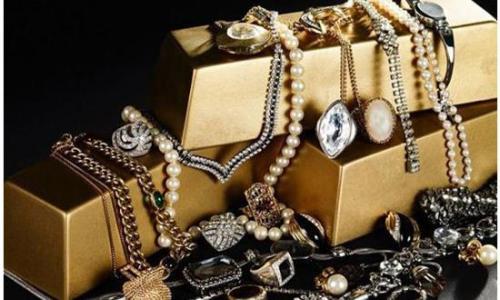
as
described
in
the
article,
refers
to
high-end
goods
outside
of
peoples
basic
survival
needs.
It
is
an
emerging
concept
rather
than
a
country-specific
term
but
emphasizes
its
historical
and
cultural
significance.
While
English
terms
like
"excessive
spending
on
luxury
items"
or
"excessively
consuming
luxury
goods"
can
be
used
as
general
indicators,
the
article
highlights
that
Luxury
has
three
key
aspects:
good
value,
high
prices,
and
non-essentiality.
Although
this
interpretation
is
somewhat
neutral
and
not
strictly
positive,
it
does
not
capture
the
nuanced
meaning
of
the
concept
fully.
The
main
focus
lies
on
the
quality,
uniqueness,
and
cultural
significance
associated
with
luxury
goods. The
article
notes
that
Luxury
products
are
often
characterized
by
their
exotic
appeal,
high
pleasure
level,
and
non-essentiality.
For
example,
in
1980s
China,
"luxury"
was
a
term
used
to
describe
gadgets
like
watches,
sewing
machines,
and
bicycle
parts
as
"three
main
items"
of
daily
necessities.
Over
time,
these
products
have
evolved
into
more
affordable
and
less
essential
alternatives. Luxury
is
also
associated
with
an
audience
that
is
typically
wealthy,
socially
elite
individuals
or
professionals
who
value
exclusivity
and
superior
quality
over
quantity.
This
phenomenon
can
be
observed
in
the
luxury
fashion
industry
where
employees
are
frequently
purchasing
"LV"
brand
items
to
showcase
their
wealth.
The
article
suggests
that
these
trends
encourage
effortful
consumption
of
luxury
goods,
teaching
people
valuable
cultural
habits
such
as
respecting
luxury
values
and
promoting
a
sense
of
status
within
society. In
terms
of
industrial
aspects,
luxury
is
not
just
about
the
price
but
also
about
lifestyle
quality.
As
products
become
increasingly
popular
in
China,
they
are
often
seen
alongside
successful
brands
that
offer
high-quality
products
with
longevity.
The
article
highlights
that
Luxury
can
represent
different
types
of
lifestyles
depending
on
ones
social
status
and
values:
from
gadgets
to
books
to
artisan
craftsmanship
and
historical
heritage. Luxury
also
encompasses
the
concept
of
constantly
evolving,
appealing
to
niche
audiences
and
offering
unique
experiences.
It
is
not
just
a
luxury
item
but
an
integral
part
of
daily
life,
providing
individuals
with
meaningful
value
through
their
choices
and
interactions
with
others.
